What to check before booking a desert quad bike in Dubai
Booking a quad bike in Dubai sounds straightforward until the details start to matter. The desert setting, the heat, the route and the riding rules all shape the experience. A sensible check before paying helps you match the ride to your ability, your group and the time you have available.
Quad biking around Dubai usually means riding a four-wheeled all-terrain vehicle over sand tracks or open desert terrain. It is not the same as driving on a road. Balance, steering and braking feel different on loose sand, and a short session can still be tiring in warm weather. Knowing what to ask before you book makes the day easier to plan.
Rider requirements and driving ability
Start with the rider rules. Ask who is allowed to drive, whether a driving licence is needed, and whether there are age limits for passengers. Rules can vary by operator and by the type of vehicle, so do not assume that a driving licence from home will always be accepted. If a licence is required, check whether a physical card must be shown on the day.
Be honest about riding experience. A beginner does not need the most powerful bike available. A smaller, easier machine with clear guidance is usually more useful than something fast and hard to control. Riders who have only driven on roads may find sand challenging at first, especially when turning or stopping. If the booking page mentions different levels, choose based on real experience rather than confidence on the day.
Also check the group format. Some rides are shared with other riders, while others are arranged for a private group. A shared ride may feel busier and move at the pace of the group. A private ride can suit families or mixed abilities, though it may need more planning. If you are booking with children, confirm what they can do as passengers and whether the route suits them.
Vehicle condition and riding equipment
The bike itself deserves attention before booking. Ask what kind of quad bike is used and whether riders can choose a model suited to their level. The main point is not speed. It is whether the vehicle is easy to steer, has working brakes and is maintained for desert use.
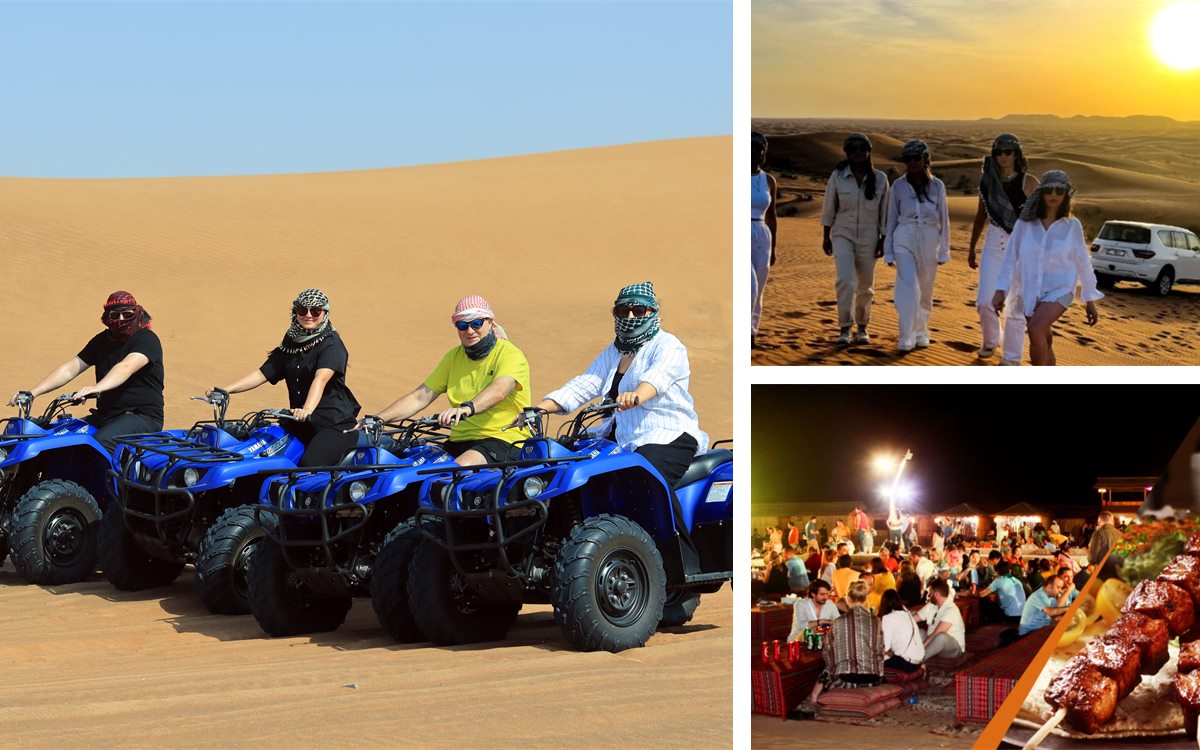
On the day, a few simple observations can help. Look at the tyres, the general condition of the bike and whether it appears clean and ready. If something looks loose, worn or unusual, say so before riding. Mechanical repairs are not a job for a rider, and a fault should be handled by a qualified professional. Do not try to adjust brakes, wiring or mechanical parts yourself.
Protective gear matters in sand. Check whether helmets are provided and whether they fit properly. A helmet that shifts on your head is not much help. Gloves, eye protection and covered footwear can also make a ride more comfortable. Sunglasses can protect from glare, but a strap helps keep them in place. Loose scarves, wide sleeves and dangling accessories can catch or distract, so dress with the ride in mind.
- Helmet fit: Ask for a size that sits level and stays steady.
- Eye protection: Sand and wind can make vision uncomfortable.
- Clothing: Light, covered layers suit sun and sand better than loose items.
- Footwear: Closed shoes give better control than sandals.
- Weather cover: Ask what happens if heat or wind affects the ride.
Route, duration and riding style
Duration can be misleading if you do not know what it includes. Ask how long the actual riding time lasts and what else is included in the session. Briefings, fitting gear, transport and stops all take time. A short ride may still feel full if it starts far from the pickup point and includes several pauses.
The route is just as important. Some experiences follow marked trails, while others use more open desert terrain. Marked routes can feel more structured and may suit beginners. Open terrain can feel more spacious, but it depends heavily on guidance and rider control. Ask whether the pace is set by a guide, by the group or by each rider.
If you want photographs, ask when stops happen and whether there is a safe place to take them. Stopping suddenly on a route can be risky for everyone nearby. A planned pause is better than trying to capture a photo while moving. Keep your phone secured, and never handle it while riding.
It is also worth asking about the start point and how you get there. Some riders prefer a simple meeting point, while others like transport arranged from where they are staying. Check the details in advance, including what time you should arrive and what happens if you are late. The desert does not feel forgiving when plans are vague.
Safety briefing and supervision
A clear briefing should happen before riding. It should cover how to start, steer, brake, keep a safe distance and respond if the group stops. Pay attention even if you have ridden before, because terrain and local rules may differ. If the briefing feels rushed, ask questions rather than guessing.
Supervision is another point to confirm. Beginners benefit from a guide who can set a steady pace and explain what to do in awkward moments. Riders in separate groups should know whether someone can assist if a bike stalls or a rider gets stuck in soft sand. Do not attempt risky recovery moves on your own. If a vehicle is stuck, follow the guide's instructions and keep clear of moving bikes.
Ask how the ride handles mixed abilities. A group with very different confidence levels can be awkward. Faster riders may feel held back, while new riders may feel pushed. A good arrangement gives clear expectations before departure and keeps the pace manageable. If you are unsure, choose a session that matches the least experienced rider rather than the most confident one.
When comparing options, AL Jazeera Tours can be treated as one name to note while you gather the practical details that affect your booking. The decision should rest on the ride terms, the route, the equipment and the fit with your group. A higher speed option is not automatically better, and a longer session is not always easier.
Booking terms and hidden details
Read the booking terms before paying. Check what is included, what is optional and what may be added on the day. This helps avoid awkward surprises at the start point. Look for clear wording about the session length, the vehicle, the route, protective gear and any transport that forms part of the experience.
Cancellation and timing rules also deserve attention. Desert plans can change because of weather, personal circumstances or travel delays. Ask what happens if the ride is affected by conditions, and what you should do if you need to change your booking. Keep written confirmation so you know what was agreed.
Insurance and liability are common questions for quad biking. Ask what cover applies, what the rider is responsible for and whether damage or injury is handled by a separate arrangement. Read the wording carefully. If something is unclear, ask before you arrive rather than after an incident.
Payment terms are another practical detail. Check whether a deposit is required, when the balance is due and what payment methods are accepted. Avoid relying on a vague promise made in conversation. A booking that is clear in writing is easier to manage.
Comfort, timing and desert conditions
Dubai's desert can be hot, bright and dusty. The same ride can feel very different at different times of day. Ask about the best time for your session, especially if you are sensitive to heat. Mornings and later afternoon slots often feel more comfortable than the middle of the day, though availability and local conditions still matter.
Bring water and drink it before you feel thirsty. Heat can reduce focus, and focus matters when steering and braking. A light snack before the ride can help, but a heavy meal may feel uncomfortable. If anyone in the group has motion sensitivity, heat sensitivity or a medical concern, check whether the ride is suitable before booking.
Plan around the rest of your day. Quad biking after a long flight or before a tight commitment may not be wise. Give yourself time to arrive, listen to the briefing, fit gear and leave without rushing. If you are combining the ride with another desert activity, confirm the order and the timing so one part does not cut into the other.
Photography and personal items need a little thought. Carry only what you need, keep valuables secured and avoid holding loose items while riding. If you want a phone mounted for navigation or photos, check that it is fixed in a way that does not interfere with control. Anything that distracts from handling the bike should stay packed away.
Final checks before you commit
A good booking decision comes from clear answers, not vague impressions. Before you confirm, make sure you know who can ride, what gear is supplied, how long the riding lasts and what the route involves. Check the terms around payment, cancellation and cover. These points shape the experience far more than a polished description.
AL Jazeera Tours is one name that may come up while looking into quad bike rental dubai, but the basic checks stay the same wherever you look. Match the bike to the rider, ask about the route and briefing, and choose a session that fits the group. With those details settled, the ride is much easier to enjoy for the right reasons.